SAN MARCOS — Grab your life vest and selfie stick because the social media wave is here, and the clean-up might be messy.
Social media platforms — be it Instagram, Snapchat, Tinder, Bumble, Youtube, etc. — are changing the way people, especially the younger generations, make connections and interact with each other. It has the ability to alter our perception of ourselves and others. We are the Instagram culture in a technological revolution.
Millennials have grown accustomed to the idea of snap judgement calls. We stalk before we talk, and we direct message before shaking hands. Some say it's like 'dipping your toe in the water' before wasting your time in person.
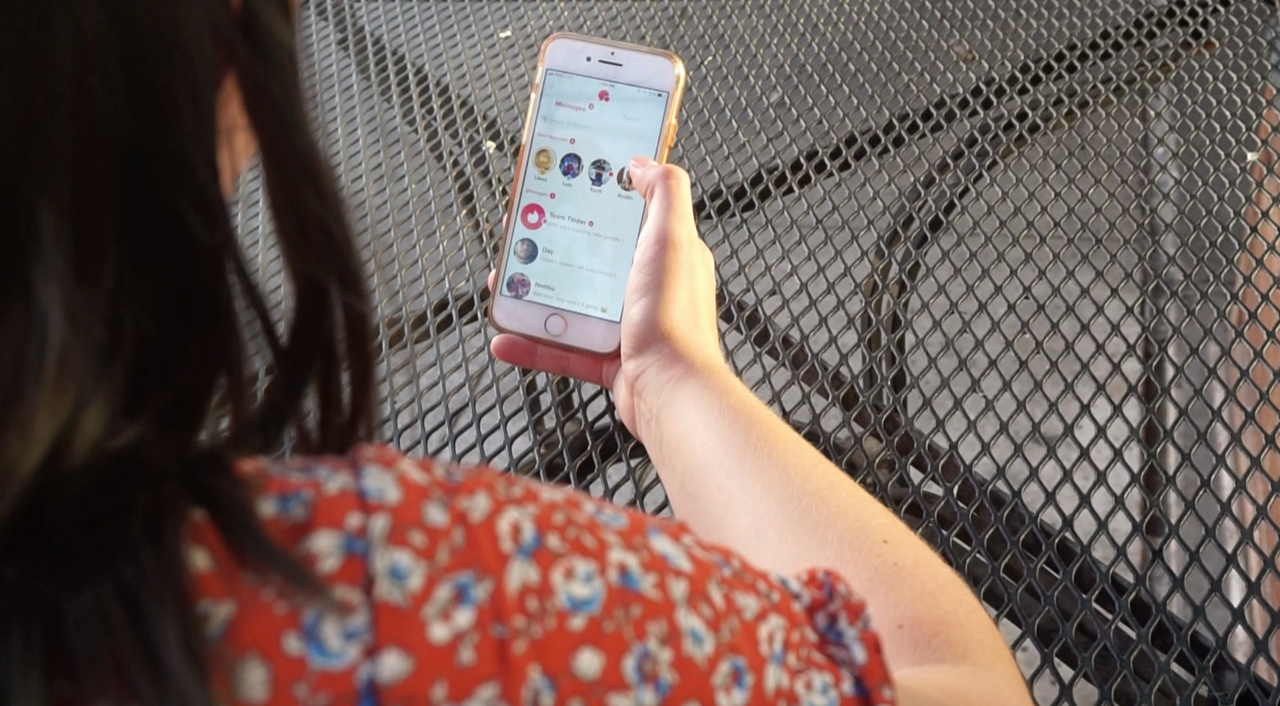
However, what you see isn't always what you get.
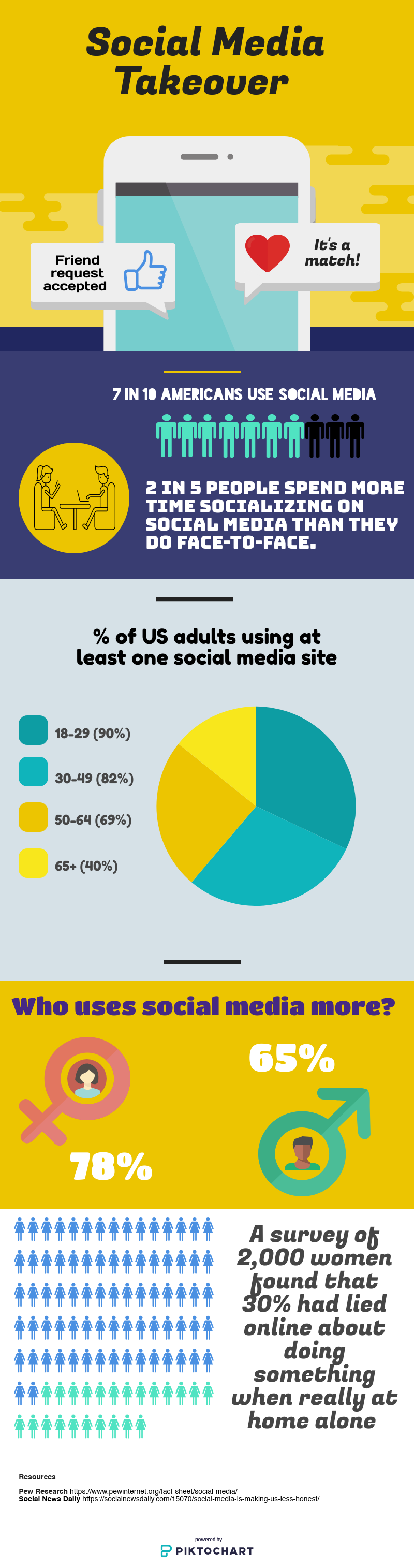
On average, 16–24-year-olds spend three hours a day on social media, and two out of five people spend more time socializing online than they do face-to-face. Spending a significant amount of time such as that online, continuously watching others' lives play out, sometimes in perfect storybook ways, can add pressure for followers to feel competitive and sometimes insecure.
A person's social media presence can say a lot about them and who they are trying to attract. "I mean if someone has a good social media presence, you can really tell the type of a person someone is. You can know everything there is to know about someone before you ever hear their voice or shake their hand," said junior digital media major, Ashlie Escalante, 22, who regularly uses social media to keep up with friends and connect with potential hookups.
With that, how much of a person's profile accurately portrays who they are in their day-to-day lives? In a study of 2,000 women, 30% admitted to lying about being somewhere else when really at home alone.
Is there pressure to keep up?
Millennials have grown up 'keeping up with the Kardashians', taking the ultimate selfie and perfecting the perfect booty pic. In a study done by the National Center for Biotechnology Information, results showed that high school girls who regularly post selfies, compared to those that don't, are more likely to develop some sort of body dysmorphia in their lifetime.

Senior psychology lecturer at Texas State University, Dr. Amber Lupo Ph.D., recognizes the pressures put on young people, especially girls, to look and act a certain way in order to be socially accepted.
"There are studies that show the usage of social media has caused unhappiness and depression in users because of this constant comparison," said Dr. Lupo. "It's unhealthy for people to push themselves to extreme levels in order to fit into this perfect Instagram-worthy look. Sometimes it can even become obsessive."
Influencers like Kylie Jenner and Kim Kardashian, all the way to Tana Mongeau and Jake Paul, all live lives of extreme luxury. Lives that most normal people couldn't obtain. Lives that are glorified and fantasized through social media. "People follow [influencers] for a reason," said Lupo. "They are trying to live up to the standard. Everyone wants the perfect skin, the large booty and tiny waist, but how attainable is that really?"
Users will spend hours spectating the lives of influencers like this, watching how their career and social recognition skyrocketed due to attention they were receiving on social media.
Brice Howard, 26, a graduate studies student from Arkansas, watched his younger siblings grow up in this era of social media. "They are being told they need to look or act a certain way so that maybe they will be famous or earn money from it," said Howard. "They haven't really known anything else in their lives before that."
This speculation can cause people to change and rearrange their own profiles to attract a certain audience. This constant aspiration to be recognized can sometimes lead users to lose sight of who they are and what really matters to them.
Does this need for acceptance have a trickling effect on your dating life?
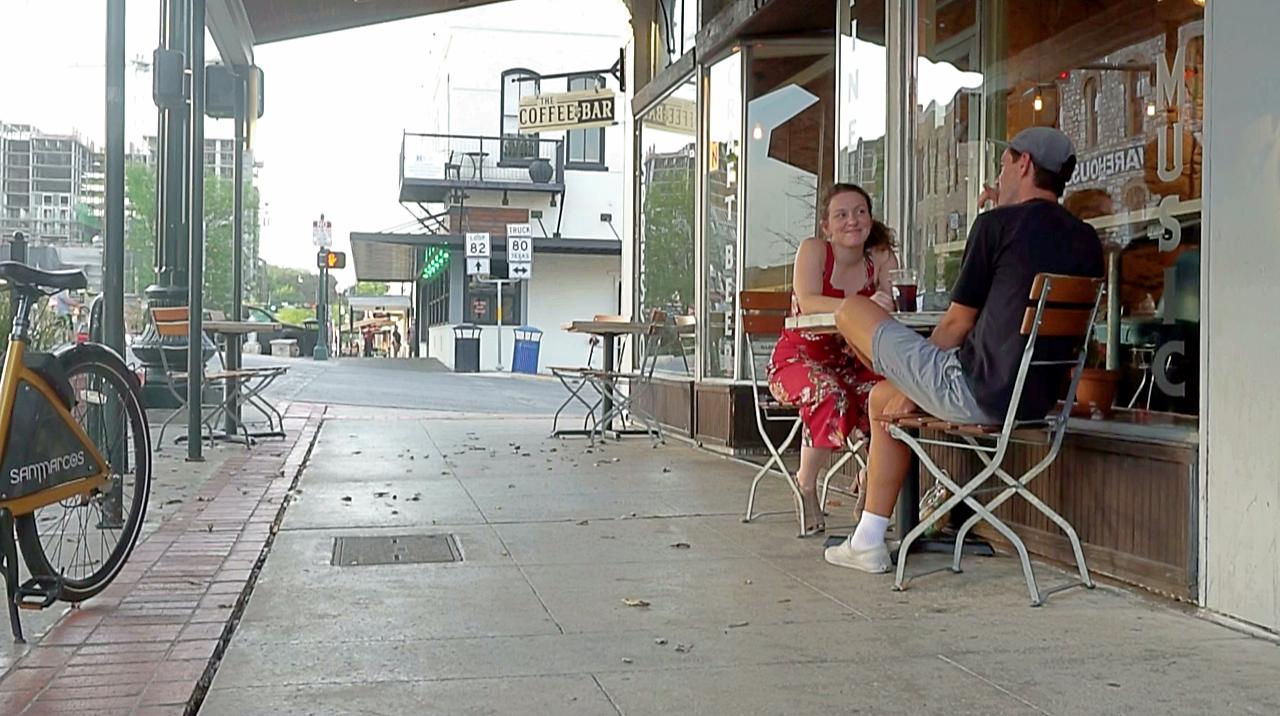
Women and men spend lots of time perfecting their online appearance. Making sure they seem likable but not obsessed with being liked. Users tend to only show the best of themselves, and even sometimes stretch the truth. According to a survey conducted by eHarmony, more than 50% of people lie on their dating profile, whether it be a slight change in height, weight, salary or age.
Dating apps like Tinder and Bumble are based on snap judgement calls, deciding whether a person is "attractive" enough to swipe right on. Your profile, containing 6 of your best photos and a short biography about yourself is all you get, you only have one shot. This can create a deeper sense of judgment upon others, and narcissism within themselves. "A lot of people online try and put on a front or face that hides who they really are, so when it comes to meeting in person, the face-to-face interactions could bring all those things to light," said Howard.
Although she has never lied on her profile to seem more appealing, Allie Rushing, 22, co-host of dating, sex and relationship podcast, Mermaid City Broads admitted to getting on dating apps like Tinder and Bumble for the validation alone.
So, does your URL really portray your IRL?
The idea of being noticed in a sea of thousands is not a new concept to society. But how far is too far? What's ok to lie about online? What's an acceptable number of likes, or followers? How much is too much? These are all questions that many users ask themselves daily. Whether you are building a brand or trying to fit in, an aesthetic can be everything. But when does it go from aesthetically pleasing to completely life altering?
Infographic and video made to accompany the senior project.